
Cyclone-Resistant Architecture & Construction in Fiji: How to Build Safer, Stronger Homes
Fiji’s tropical climate and location in the South Pacific make homes vulnerable to cyclones, strong winds, heavy rainfall, and flooding. Cyclone-resistant construction in Fiji focuses on well planned architectural designing and building homes that can better withstand extreme weather while protecting families and property.
Choose a Strong Architectural & Structural Design
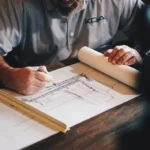
A strong home starts with proper planning and structural design. Buildings should be designed to handle high wind loads, with particular attention given to the roof, walls, foundations, doors, and windows. Working with experienced architects, engineers, and construction professionals helps ensure the structure is appropriate for local conditions. The roof is one of the most vulnerable parts of a home during a cyclone. High-quality roofing materials should be securely fixed to the structural frame using appropriate fasteners and connections. Roof edges, ridges, and overhangs should receive particular attention because strong winds can cause significant damage in these areas.
Strengthen Foundations and Connections
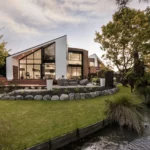
A cyclone-resistant house needs a strong connection between the roof, walls, and foundations. Properly constructed foundations help prevent movement, while strong structural connections help transfer wind forces safely through the building and into the ground. Selecting suitable materials can improve a building’s strength and longevity. Reinforced concrete, properly engineered timber, quality steel components, and impact-resistant materials can provide additional protection when correctly designed and installed.
Improve Drainage and Flood Protection
Cyclone preparation should also address heavy rainfall. Proper site drainage, gutters, downpipes, raised floor levels where appropriate, and effective stormwater management can help reduce flooding and water damage. Windows and doors can become weak points during severe storms. Strong frames, secure locks, appropriate glazing, and protective shutters can help reduce the risk of wind and flying debris entering the building.
Build for Fiji’s Future
Cyclone-resistant construction is an investment in safety, durability, and peace of mind. By combining sound engineering, quality materials, secure structural connections, and effective drainage, homeowners in Fiji can create stronger homes that are better prepared for extreme weather conditions.

admin
Author at Pacific Shield Homes, sharing insights, news, and expert tips on modern construction & home improvement.